Today marks the 334th anniversary of the Battle of Killiecrankie. It was fought on July 27, 1689 between Jacobite forces led by John Graham of Claverhouse, first viscount Dundee* and government troops under Major-General Hugh Mackay. The battle was part of the Highland War that followed the overthrow of the Catholic king James VII of Scotland and II of England in favour of Protestant William of Orange and his wife Mary (James’s elder daughter). Heavily outnumbered, the Jacobite forces achieved an unexpected victory in the short battle that evening but Dundee was shot dead in the final stages. Without Dundee, the Jacobites were unable to replicate their success and were defeated the following month at Dunkeld, and although a fierce campaign of raid and counter-raid followed, the war ended in a truce in the summer of 1691.
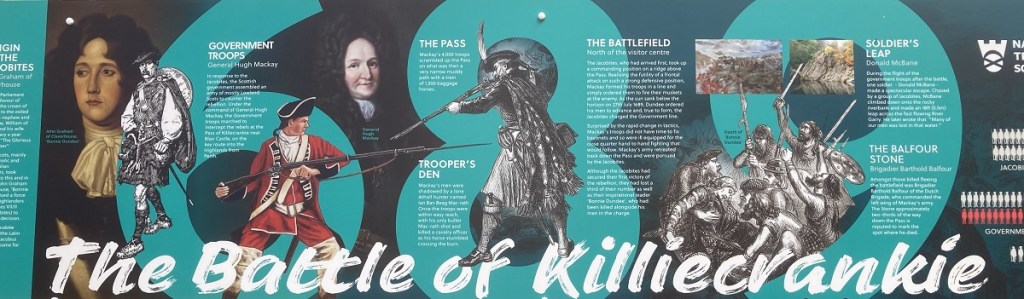
The Battle of Killiecrankie was the first major action in Scotland between supporters of the ousted King James (the Jacobites) and William of Orange’s army. Near the battle site, at the northern end of the Pass of Killiecrankie, a National Trust for Scotland visitor centre summarises the story. The main action took place about a mile from the visitor centre, across what is now the A9 main road from Perth to Inverness, but the narrow, deep gorge of the pass played an important role in the battle too as government soldiers advanced along it then fled back the same way, pursued by their Jacobite opponents.
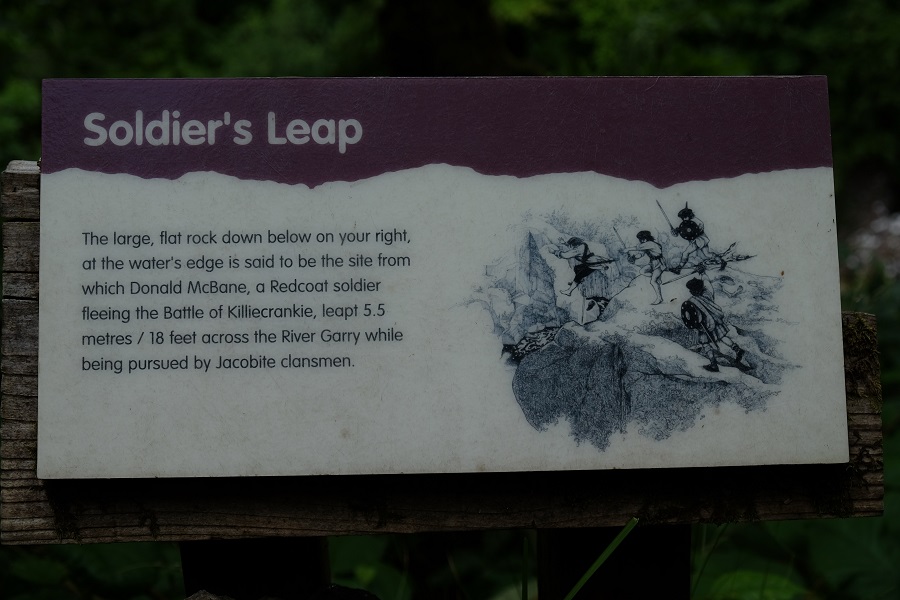
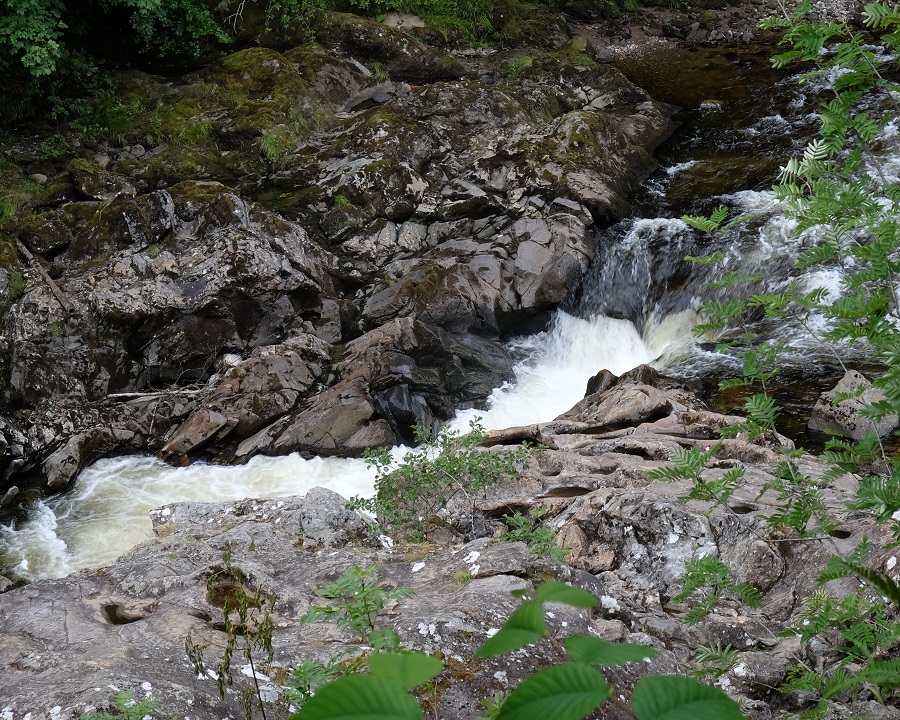
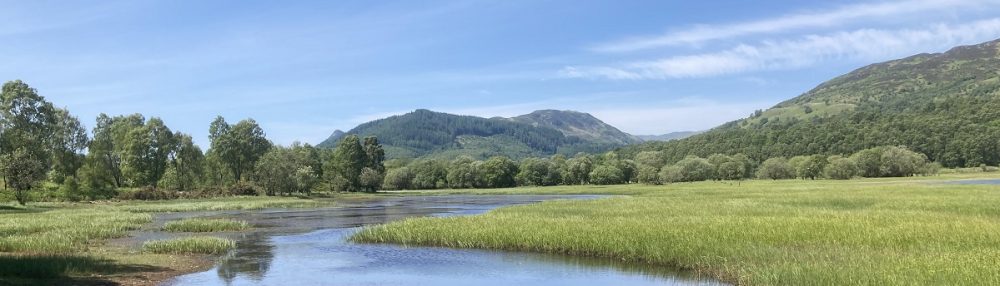
The river flowing through the Pass of Killiecrankie is the Garry and there are several riverside walks along the gorge which make for a lovely afternoon out amidst beautiful scenery. The pass is also a rich wildlife habitat and the National Trust has plenty of information at the visitor centre and along the routes about its conservation work.
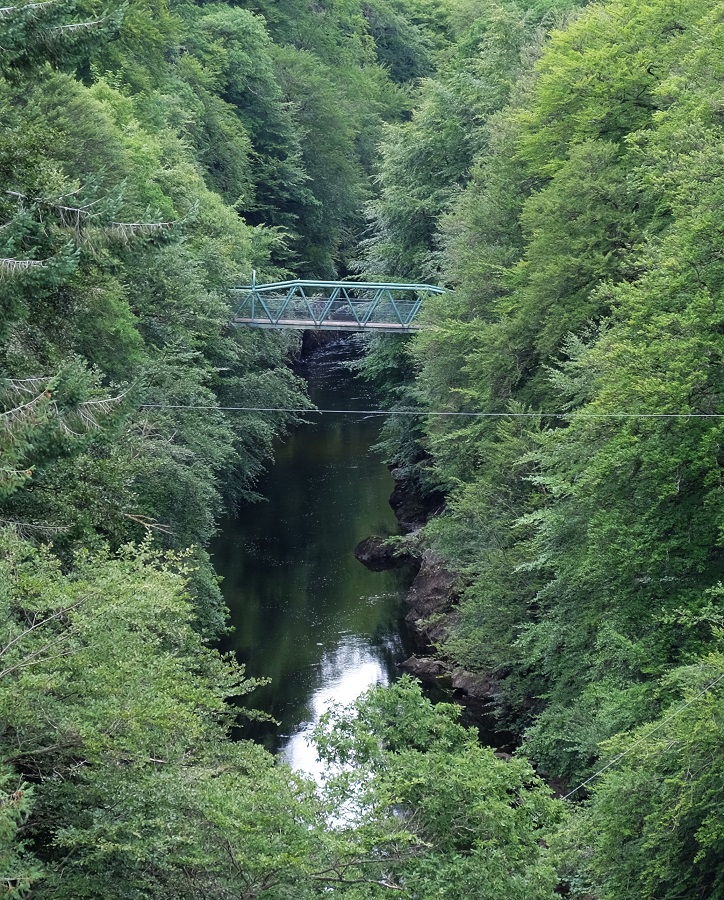
About two-thirds of the way along the pass, a green, metal footbridge spans the river. Looking north up the pass, the drop to the gorge floor seems huge but, turning to the south, the road bridge is even higher, emphasising the sheer depth of the pass.
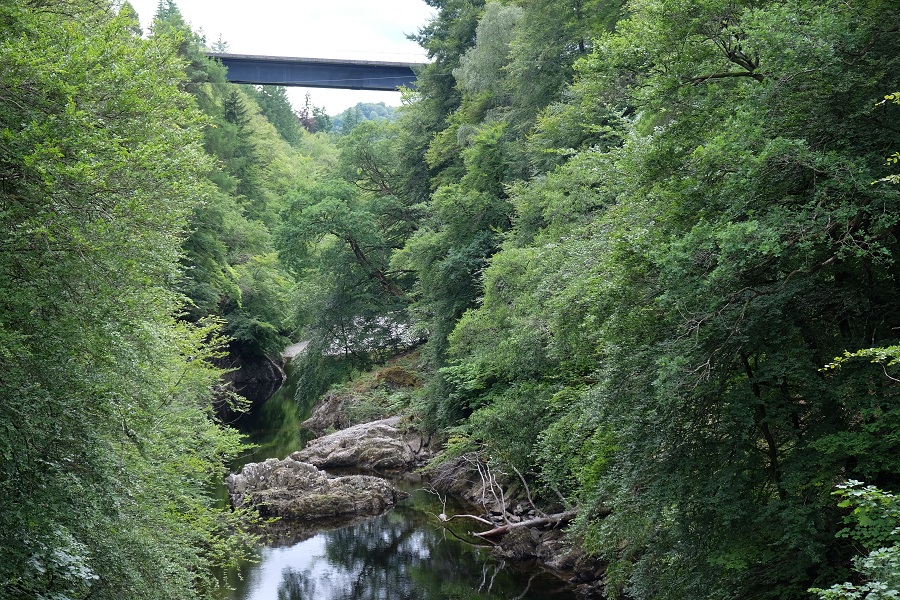
The height of the road bridge above the gorge means adventurous folk can hurl themselves off a platform slung below it towards the river, 132 feet below, on the end of a rope. Bungee jumping isn’t for me but when I passed yesterday, there were several people leaping into the abyss and a small audience had gathered on the riverside to watch. In the same area, is a course of nine zip lines through the trees and across the river, so if physical thrills are your thing Killiecrankie is a good place to go.
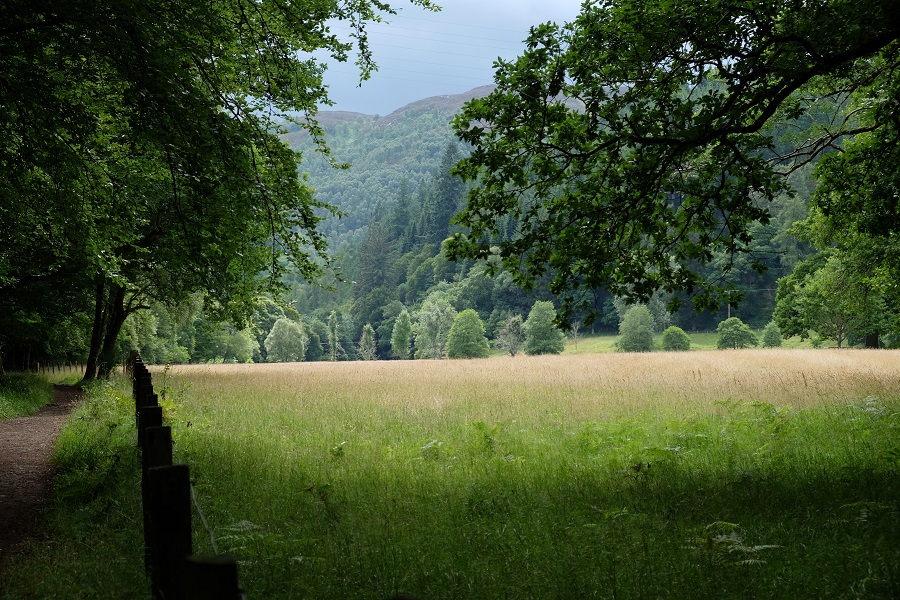
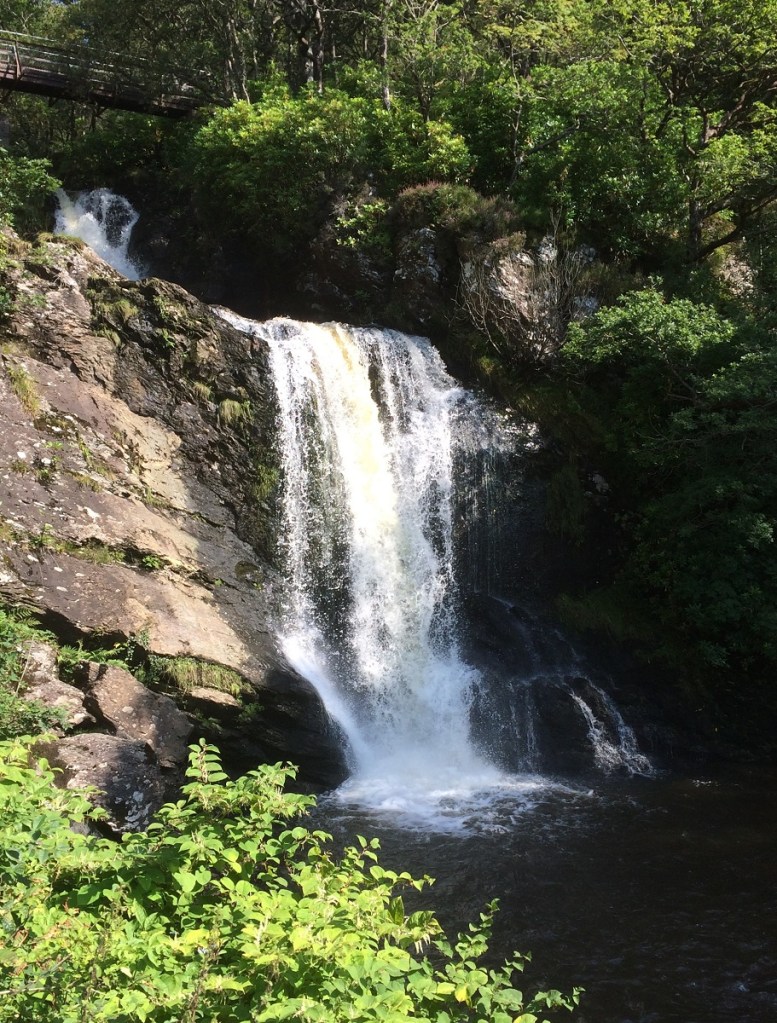
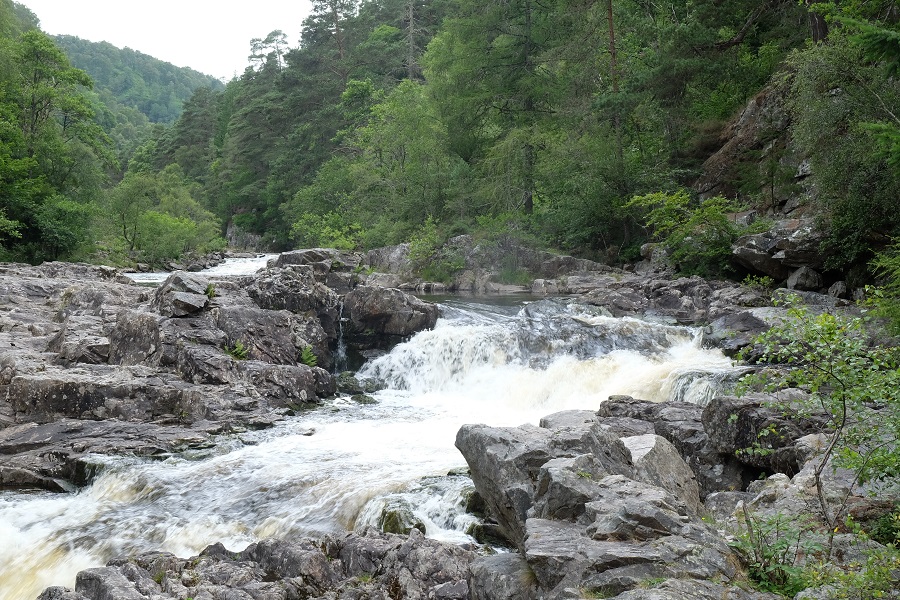
The southern end of the pass broadens out towards the confluence of the rivers Garry and Tummel. Close to this junction are the waterfalls at Linn of Tummel. These are well worth a visit. Queen Victoria clearly thought so as there is an obelisk nearby commemorating her visit to the spot in 1844. (Is there anywhere she didn’t visit?) The walk to the falls passes under the road bridge and continues along the western river bank. There are plenty of places where you can get right down to the water and yesterday paddle boarders, canoeists and swimmers were making the most of ready access to the water from extensive pebble beaches.
* John Graham was only around 40 when he was killed at Killiecrankie. He had served in the military since his early 20s and was recognised as a skilled leader. His relative youth and handsome face earned him the nickname Bonnie Dundee in some quarters. However, others remember him as Bluidy Clavers because of his violent suppression of covenanters in south-west Scotland. But that’s another story.