A Guid Ne’erday

The celebration of Christmas was banned for almost 400 years in Scotland (outlawed during the Protestant Reformation) and so Hogmanay (December 31) and the New Year became the focus of mid-winter festivities. The period after Christmas up to Handsel Monday (the first Monday of the New Year when people exchanged a small gift as a token of luck) became known as the “Daft Days”. This was a time of fun and light-hearted good cheer and was the subject of Robert Fergusson’s 1772 poem “The Daft-Days”. Here’s an extract:
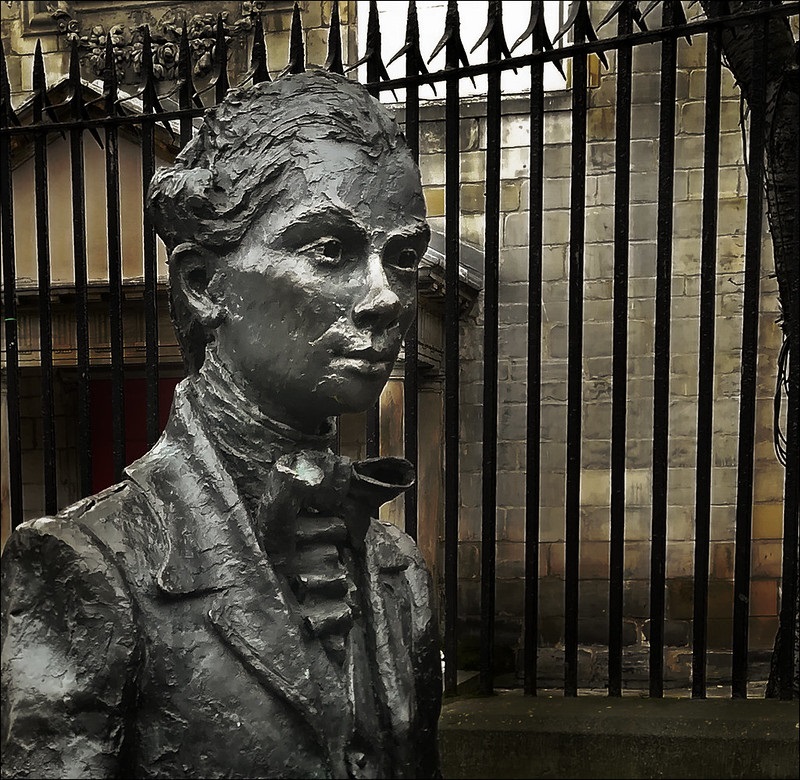
This statue of Robert Fergusson stands on The Royal Mile. Edinburgh outside Canongate Kirk where he is buried in the churchyard.
Image credit: Dun Deagh on Visual Hunt, CC BY-SA

When merry Yule-day comes, I trou,
You’ll scantlins find a hungry mou;
Sma are our cares, our stamacks fou
O’ gusty gear,
And kickshaws, strangers to our view,
Sin fairn-year.
Continue reading

St Andrew’s Day: What’s the story?

Today is St Andrew’s Day in Scotland, and also in Barbados, Greece, Romania, Russia, and Ukraine among others places. A bank holiday in Scotland since 2006, St Andrew’s Day marks the start of the winter festivals which run right through to Burns’ Night in February. The day is celebrated with ceilidhs, music, feasts and special events across the country. This year, the national tourism agency Visit Scotland staged an unusual celebration of our national day.

But how did Andrew become Scotland’s patron saint? St Andrew’s Day has been marked on November 30 since the middle of the 5th century, that date being widely accepted as the anniversary of his martyrdom. However, the reason for his adoption as Scotland’s patron saint is shrouded in mystery and legend. 

Continue reading

Inversnaid: waterfalls and wars

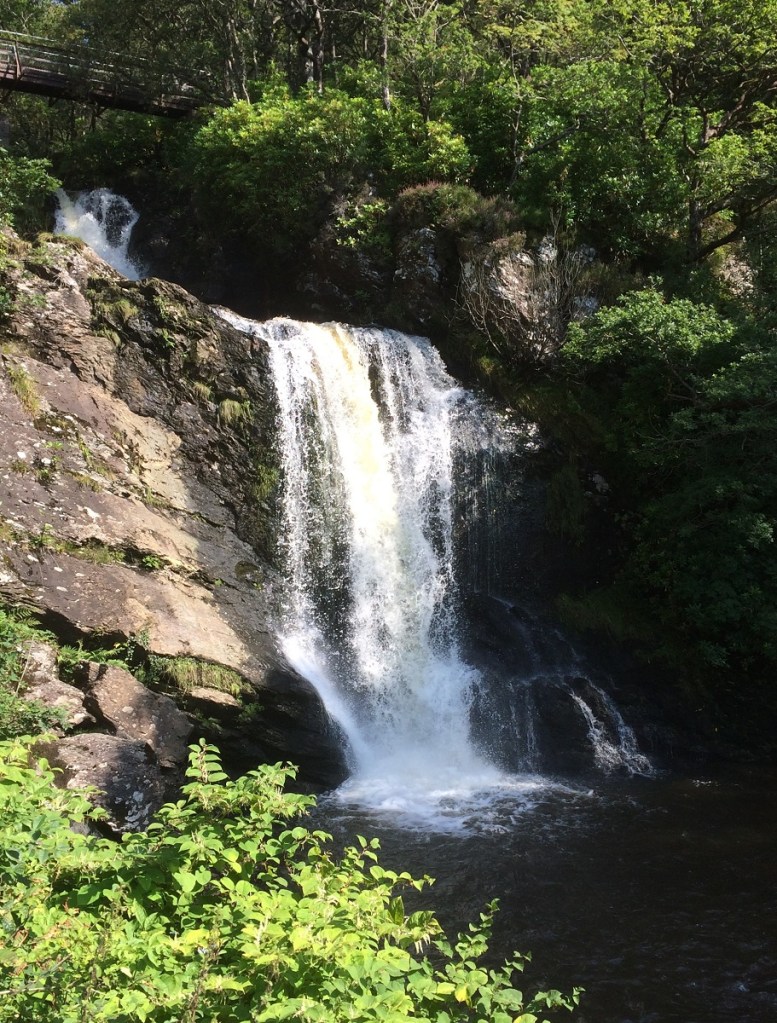
Inversnaid, on the east shore of Loch Lomond, is the site of a magnificent waterfall. Its Gaelic name is Inbhir Snàthaid. Inbhir means a confluence of rivers, estuary or the mouth of a water course and is common in place names. Inbhir Nis (Inverness), Inbhir Aora (Inveraray), Inbhir Uaraidh (Inverurie) and Inbhir Chluaidh (Inverclyde) are all well known examples.

The Snàthaid element of the name means ‘needle’ and it’s easy to see why Inversnaid was named as it was. The waterfall plunges from the narrow Arklet Water into Loch Lomond many feet below. It is spectacular, especially after a spell of wet weather which happens regularly. Seen from the loch, this torrent of falling water could certainly look like a needle.

Continue reading